
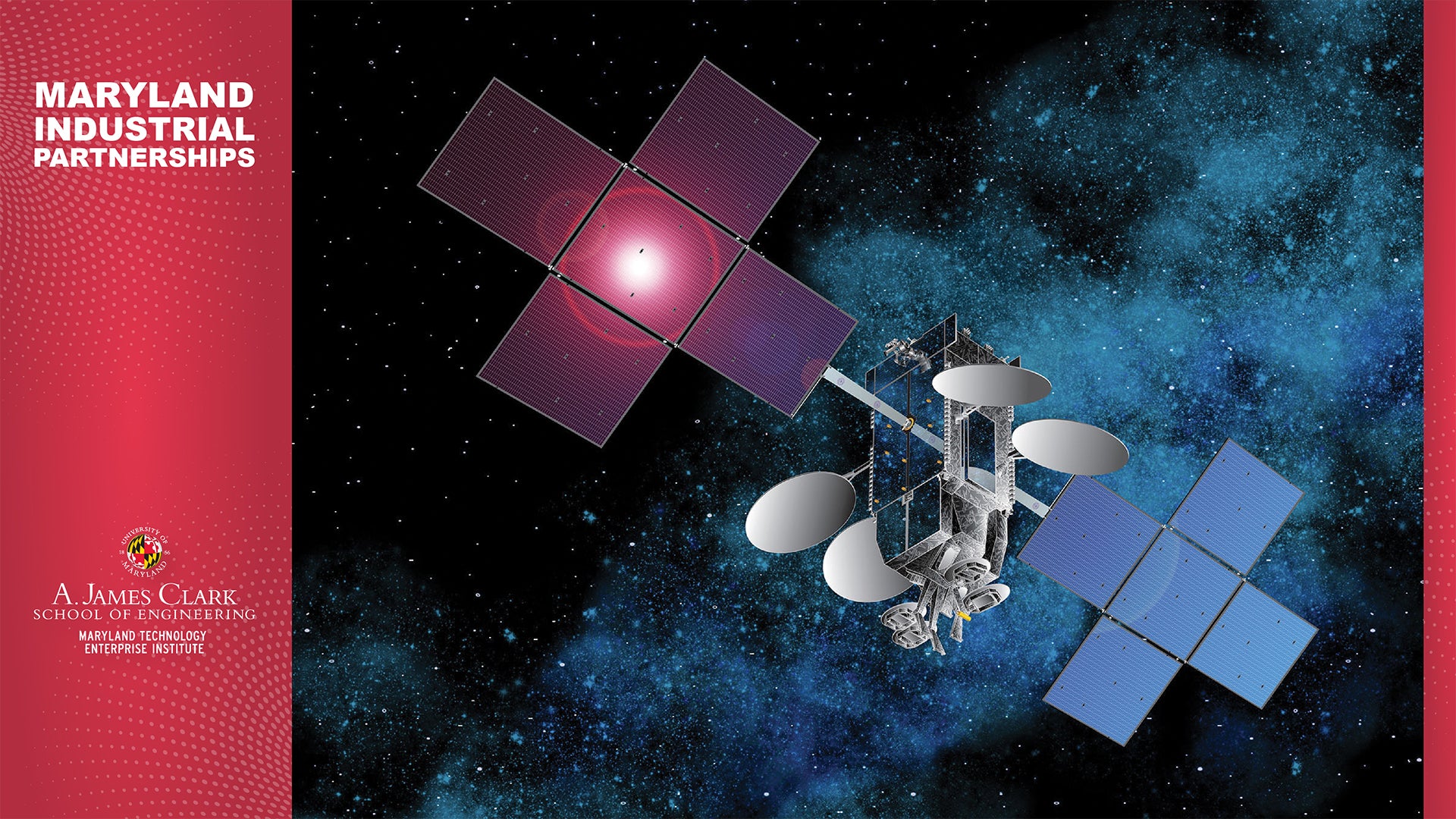
Maryland Industrial Partnerships (MIPS) promotes the development and commercialization of products and processes through industry/university research partnerships. MIPS provides matching funds to help Maryland companies pay for the university research. Projects are initiated by the companies to meet their own research and development goals.
Through MIPS, Maryland firms have the opportunity to leverage their research and development funds and gain access to the creative talents and extensive research base of the University System of Maryland. MIPS matching funds are awarded on a competitive basis for projects based on proposals submitted jointly by Maryland companies and researchers from any of Maryland's public universities.
Amount of Awards
The maximum MIPS award for any single project is $100,000 per year for large and small companies and $90,000 for start-up firms.
Types of Projects
Research and Development (R&D) - Research may be in the broad areas of engineering, computer science, physical sciences and life sciences.
Benefits to Maryland Companies:
- Cost-effective research with world-class university faculty
- Access to university students, state-of-the-art facilities, laboratories and equipment
- Companies can select research capabilities to meet specific requirements
- Non-dilutive, non-debt funding for research
- Opportunity to work directly with talented students—potential future hires
- Rapid proposal evaluations—MIPS notifies award winners within 60 days of the proposal deadline
- Student participants are potential future employees
- Makes companies more competitive, domestically and internationally
Benefits to Faculty:
- Research translates directly to new product development
- Potential for published papers and improved university facilities
- Students gain valuable experience working on commercial technologies
Benefits to the State of Maryland:
- Self-funding economic development program
- Helps create and retain jobs
- Helps to diversify and strengthen the state’s economy
- Helps to improve the state's business climate and to enhance its reputation
- Makes a more attractive environment to firms considering relocation to Maryland
Benefits to University System of Maryland:
- Provides faculty with the opportunity to perform commercially relevant research leading to new products and processes
- Helps to improve university research facilities
- Improves university academic programs to meet industry needs
- Students gain experience in industrial environments

MIPS helped develop not just a new product, but a new industry. Over time, we’ve probably generated within the State of Maryland, a large share of our revenue. Several billion of that can be directly credited to the work done through MIPS. We employ 1,500 people here in the state. Many of them are working on businesses related to this technology.
John Kenyon, former Senior Vice President for Engineering, Hughes Network Systems

The protocols that made internet-via-satellite possible were developed by Hughes Network Systems and John Baras, Lockheed Martin Chair in Systems Engineering and Distinguished University Professor (ECE/ISR/CS), through the Maryland Industrial Partnerships (MIPS) Program.
Hughes has shipped more than 7 million [satellite Internet] terminals of all types to customers in over 100 countries, representing approximately 50 percent market share, and its technology is powering broadband services to aircraft around the world.
More than 30 papers were published as a result of the MIPS work with Hughes, according to Baras.

MedImmune
MedImmune, now part of AstraZeneca, characterized and researched the quality control of Synagis, a drug that helps prevent a deadly respiratory disease in infants, through MIPS.

Market Biosciences
Through MIPS, Martek Biosciences developed manufacturing processes to produce its algae-derived DHA oil, which is included in many infant formulas.

Welldoc
Welldoc's mobile diabetes management platform was tested through MIPS.
Use Maryland Industrial Partnerships (MIPS) Program to…
-
Collaborate/sponsor research projects
Through MIPS, Maryland companies have the opportunity to leverage their research and development funds and gain access to the creative talents and extensive research base of the University System of Maryland. MIPS matching funds are awarded on a competitive basis for projects based on proposals submitted jointly by Maryland companies and researchers from any of the 13 University System institutions.
-
Identify/apply for funding & grants
MIPS provides funding, matching by participating companies, for university-based research projects that help the companies develop new products. The maximum MIPS award for any single project is $100,000 per year for large and small companies and $90,000 for start-up firms.